
The Impact of Dubai’s Climate on Asphalt Durability: Engineering Roads for Extreme Heat
Dubai is a city of architectural marvels and world-class infrastructure, but beneath the shimmering skyscrapers lies a foundation that must battle some of the harshest environmental conditions on Earth. For an Asphalt Road Contractor in Dubai, the challenge isn’t just laying a flat surface; it’s engineering a pavement that can withstand the relentless Arabian sun, extreme thermal fluctuations, and the unique geographical demands of the UAE.
In this deep dive, we explore how Dubai’s climate impacts asphalt durability and why specialized materials like “Hot-Mix” asphalt are the gold standard for the region’s infrastructure.
The Solar Challenge: Why Heat is the Enemy of Pavement
In the peak of summer, ambient temperatures in Dubai regularly soar above 45°C (113°F). However, asphalt—a dark, heat-absorbing material—can reach surface temperatures exceeding 70°C (158°F). This phenomenon, known as the “Heat Island Effect,” creates several structural challenges:
1. Bitumen Softening and Rutting
Asphalt consists of aggregates (stones and sand) held together by a binder called bitumen. Bitumen is viscoelastic, meaning its consistency changes with temperature. In extreme heat, standard bitumen softens, losing its ability to hold the stone matrix firmly in place. When heavy trucks and high-volume traffic pass over this “softened” road, it leads to rutting—the formation of permanent depressions or grooves in the wheel paths.
2. Thermal Expansion and Contraction
While Dubai is famous for its heat, the temperature drop between day and night (and between summer and winter) can be significant. This constant cycle of expansion and contraction puts immense internal stress on the pavement. Over time, this stress leads to thermal cracking, which allows moisture and debris to penetrate the lower layers of the road.
Humidity and the Coastal Factor
Dubai’s proximity to the Arabian Gulf introduces another silent killer of asphalt: high humidity and salinity. Moisture is one of the leading causes of “stripping,” a process where the bond between the bitumen and the aggregate is broken.
When humidity levels rise, moisture can seep into the microscopic pores of the asphalt. In a coastal city like Dubai, this moisture often carries salt, which can accelerate the degradation of the road’s sub-base. Without expert Road Drainage Solutions, water pooling during rare but intense seasonal rains can lead to rapid pothole formation and structural collapse.
The Solution: Engineering High-Performance “Hot-Mix” Asphalt
To combat these environmental stressors, Earth Movers International and other leading contractors utilize advanced material science. Not all asphalt is created equal, and in the UAE, the “Hot-Mix” variety is specifically engineered for high-performance durability.
Specialized Polymer-Modified Bitumen (PMB)
Modern Dubai roads often utilize Polymer-Modified Bitumen. By adding synthetic polymers to the mix, engineers can increase the “Softening Point” of the binder. This ensures the road remains stiff and resilient even when surface temperatures hit 70°C, significantly reducing the risk of rutting and shoving.
Optimized Aggregate Gradation
The choice of stone is critical. Contractors use high-quality, crushed volcanic or limestone aggregates with specific shapes that “interlock” with one another. This mechanical interlock provides structural strength that doesn’t rely solely on the bitumen, helping the road maintain its shape under the weight of heavy logistics vehicles in industrial zones like Jebel Ali.
The Importance of the 6-Step Construction Process
Durability isn’t just about the mix; it’s about the execution. A professional Asphalt Paving project in Dubai must follow a rigorous process to ensure long-term ROI:
Geotechnical Soil Testing: Before a single drop of asphalt is poured, the sub-grade must be tested. In Dubai’s sandy terrain, stabilizing the soil is essential to prevent the road from shifting.
Precision Compaction: Using vibratory rollers, contractors must achieve maximum density. High-density asphalt has fewer air voids, leaving less room for moisture to penetrate and cause oxidative hardening.
Strict Quality Control: Continuous testing of the mix temperature and density during the “laying” phase ensures the material cures correctly in the local atmosphere.
Maintenance: Preserving Longevity in the Desert
Even the best-engineered roads require maintenance to survive the decade. In Dubai, proactive Asphalt Resurfacing and Crack Sealing are vital. By sealing small thermal cracks as soon as they appear, contractors prevent sand and water from reaching the sub-base, effectively doubling the lifespan of the pavement.
Asphalt Milling is another key technique used in Dubai. By stripping away only the top, heat-damaged layer and replacing it with a fresh “overlay,” property managers and government bodies can restore a road’s integrity without the cost of a full reconstruction.
Conclusion: Building Roads That Last
The climate of the UAE is a formidable opponent, but through advanced engineering, specialized Hot-Mix compositions, and RTA-approved construction standards, it is possible to build infrastructure that stands the test of time.
Whether it is a luxury residential driveway or a major highway extension, understanding the science of heat and durability is what separates a temporary fix from a long-term investment. At Earth Movers International, we combine 25 years of local experience with the latest in paving technology to ensure Dubai’s roads remain as resilient as the city itself.
-
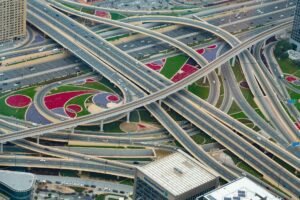 16 Feb 2026Heavy-Duty Road Construction for Jebel Ali and Industrial Zones
 -
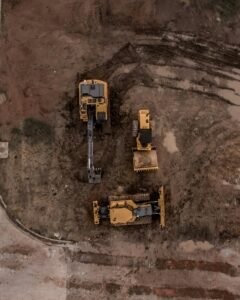 16 Feb 2026The Science of Soil Testing: Why Pre-Construction Evaluation Matters
 -
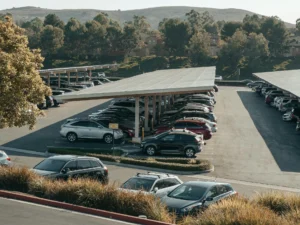 16 Feb 2026Planning a Commercial Parking Lot: Traffic Flow and Load-Bearing Design
 -
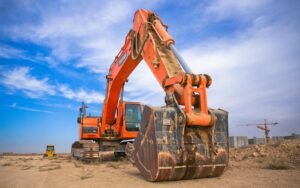 16 Feb 2026Common Causes of Potholes in Dubai and How to Fix Them Fast
 -
 16 Feb 2026The Role of Sustainable Asphalt in UAE’s Green Building Vision
 -
 16 Feb 2026Enhancing Property Value: Luxury Driveway Paving for Dubai Villas

Dubai’s leading asphalt road construction company. 25+ years of excellence in building roads that last.
- +971 55 172 7024
- info@asphaltcontractordubai.ae
- Al Quoz Industrial Area 3, Dubai, UAE
Services
Company
© 2024 Earth Movers International. All rights reserved.
- Privacy Policy
- Term of Use
- Sitemap